

Understanding Flood Insurance
Standard home policies do not cover flood. We write both NFIP and private flood policies, and compare them side by side for private homes.
Flood Insurance is most effective when it reflects the real exposure rather than a generic category. For BRI Brokers clients across New York, New Jersey and Pennsylvania, that means connecting policy language to the way a home, building or company operates day to day. The core concerns include rising water, storm surge, heavy-rain accumulation and damage excluded by standard property policies.
A productive flood insurance review starts with facts, not assumptions. Property construction, occupancy, operations, payroll, revenue, vehicles, prior losses and contractual requirements can all change what an underwriter needs. Providing accurate information early helps prevent avoidable delays and makes comparisons more meaningful.
Insurance language can be technical, but the decision should remain understandable. Ask what is covered, what is excluded, where limits apply, which deductibles could be triggered and what duties follow a loss. A quote is only useful when those details are considered alongside premium.
Who should consider this coverage
People often begin shopping because a lender, landlord, client, government agency or contract requires proof of insurance. Compliance matters, but it is only the starting point. The deeper question is what financial event the policy is intended to absorb and how much risk the owner can reasonably retain.
BRI Brokers serves established organizations, new ventures, property owners and households. Every submission is subject to carrier appetite and underwriting, yet a clear explanation of the risk can make it easier to identify an appropriate market.
- Private homes
- Properties in flood zones
- Homes near the coast or rivers
- Lender-required flood
What the policy can protect
The exact protection depends on the forms, endorsements, limits and exclusions in the issued policy. Common areas include building coverage, contents coverage, nfip policies, private flood (higher limits), elevation certificate guidance. These phrases should be treated as conversation starters rather than automatic promises of coverage.
Two policies with similar names can respond differently. Definitions, sublimits, covered causes of loss, territory, valuation and notice requirements can materially affect an outcome. BRI Brokers reviews the proposal with those differences in view.
- Building coverage
- Contents coverage
- NFIP policies
- Private flood (higher limits)
- Elevation certificate guidance
Information that supports a strong submission
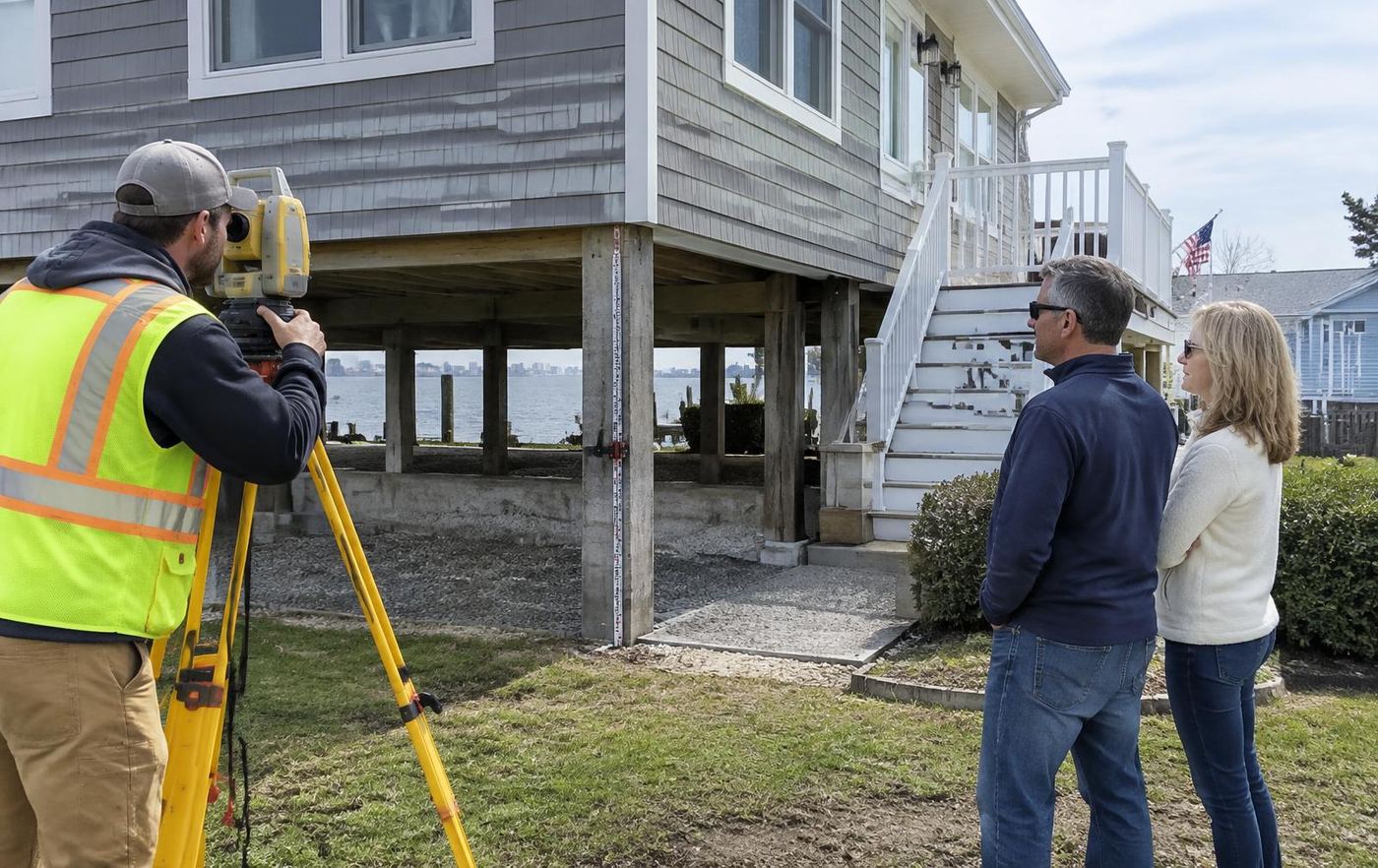
Underwriters typically need address, occupancy, foundation, elevation information, flood zone, building value, contents value and prior flood history. Organized records allow the broker to tell a consistent story and reduce follow-up questions. Estimates should be reasonable and updated when circumstances change.
Missing or inaccurate information can create problems at audit, renewal or claim time. The goal is not to make an account look simpler than it is. The goal is to present it accurately, explain controls and match it with a carrier prepared to consider that profile.
How premiums are evaluated
Insurance pricing is not based on one variable. Location, values, limits, deductibles, construction, operations, payroll, revenue, claims, credit-based factors where permitted, protection features and broader market conditions may contribute. Different carriers weigh those details differently.
A lower premium may be worthwhile, but only after checking whether the comparison uses equivalent assumptions. Higher deductibles, narrower coverage, lower limits or missing endorsements can make a quote appear less expensive without delivering the same protection.
Important decisions before binding
Key decisions commonly involve NFIP versus private options, building and contents limits, waiting periods, deductibles and lender requirements. Consider the size of a plausible loss, not merely the minimum required by a certificate or lender. Minimum compliance and adequate risk transfer are not always the same.
Coverage is not active because an application was submitted or a payment was discussed. Ask for written confirmation of the effective date, carrier, limits and any conditions. Read the policy when it arrives and report inaccuracies promptly.

Common coverage gaps to discuss
Gaps often arise when an exposure sits between policies or changes without being reported. New locations, renovations, vacant periods, subcontractors, business vehicles, home-based work, valuable equipment and flood exposure deserve specific discussion.
Some risks require separate policies or endorsements. An umbrella does not fix every underlying exclusion, and a package policy does not automatically include every line. Coordinating policies is as important as purchasing them.
Claims and loss preparation
Good insurance planning includes a practical claim process. Keep policy and contact details accessible, photograph important property, retain receipts and contracts, and maintain records away from the insured location. After an incident, protect people first and take reasonable steps to prevent additional damage.
Notify the carrier or broker promptly and document dates, conversations, damage and expenses. Do not discard damaged property too soon unless health or safety requires it. Claim decisions are made under the issued policy, so organized evidence matters.
Renewal is a planning opportunity
A renewal should not be an automatic replay of last year. Review changed values, staffing, revenue, property use, tenants, vehicles, contracts and losses. Begin early enough to obtain documents and respond to inspections or recommendations.
Market conditions and carrier appetite change. Staying with a carrier may still be the right choice, but it should be an informed choice. BRI Brokers can compare the current program with available alternatives and explain material tradeoffs.
Working with BRI Brokers
BRI Brokers is an independent Brooklyn brokerage with insurance experience dating to 2001. The agency serves New York, New Jersey and Pennsylvania and works with multiple markets, including SageSure, Progressive and the National Flood Insurance Program where appropriate.
The process begins with basic details, followed by targeted questions based on the account. The agency gathers underwriting information, reviews options and remains available after placement. No broker can guarantee price, acceptance or claim outcome; coverage is subject to policy terms and underwriting approval.
Questions to ask about Flood Insurance
NFIP or private flood? It depends on the property. Private flood can offer higher limits; NFIP is backed by the federal program. We quote both.
Ask how the answer applies to your exact situation, and request written policy language when a detail affects your decision. General guidance cannot replace the terms of the issued contract.
Is there a waiting period? NFIP policies usually have a 30-day waiting period. Plan ahead.
Ask how the answer applies to your exact situation, and request written policy language when a detail affects your decision. General guidance cannot replace the terms of the issued contract.
How to prepare before contacting an insurance broker
Gather the current policy, renewal date, contact details and a short explanation of what you want to protect. Property owners should note construction, occupancy, renovations and estimated values. Businesses should prepare operations, payroll, revenue, vehicle and claims information.
Do not wait until the final day if the risk is complex. Coastal property, fleets, construction, vacant buildings and unusual operations often require added records or inspections.
How to read an insurance proposal
Start with the named insured, locations and effective dates. Then compare limits, deductibles, covered property, valuation, forms and endorsements. Note subjectivities that must be completed before binding.
Ask about differences rather than assuming similar titles mean identical protection. Keep a written copy of the proposal and binding confirmation.
Why accurate information matters
Insurance applications become part of the underwriting record. An incorrect address, payroll estimate, occupancy or operations description can affect eligibility, audit and claim handling.
If something changes after submission, tell the broker promptly. Clear disclosure helps the carrier evaluate the actual risk and prevents avoidable surprises.
Coverage is part of risk management
Insurance transfers selected financial risks; it does not replace maintenance, safety training, contracts, backups or emergency planning. Strong prevention can reduce harm and may improve how a risk is viewed.
Homes need maintained roofs, plumbing, alarms and inventories. Businesses need documented procedures, driver controls, certificates and incident reporting appropriate to their operations.
Plan for renewal before the deadline
Review changes in people, property, operations and values well before renewal. Obtain updated loss runs and respond to open recommendations. Early preparation creates time to compare options.
A renewal is also the moment to reconsider limits and deductibles. Inflation, renovations, new contracts and growth can make last year’s assumptions outdated.
Certificates, lenders and contract requirements
Proof of insurance often has a deadline, but the underlying requirement deserves review. A certificate summarizes coverage; it does not change the policy or create protection that the policy does not provide.
Send lender, landlord and client requirements early. Some requests require endorsements, specific limits or carrier approval, and those changes may affect price or availability.
Coordinating limits and umbrella protection
Liability limits should be considered across home, auto, business and property exposures. An umbrella or excess policy may add limits over scheduled underlying policies, subject to its own terms and exclusions.
Check required underlying limits and make sure every intended policy is listed. An umbrella is not a substitute for coverage omitted from the underlying program.
Understanding exclusions and endorsements
The declarations page is only part of the contract. Forms define covered causes of loss, exclusions, conditions and duties. Endorsements can add, remove or revise important terms.
Ask about exclusions connected to the actual risk, including water, flood, vacancy, professional services, autos, employees and contractual obligations. Request clarification before binding when a term is material.
Deductibles and retained risk
A higher deductible can reduce premium, but it also increases the amount due after a covered loss. Choose a deductible that can be paid without creating a second financial emergency.
Property policies may use different deductibles for different causes of loss. Review flat-dollar, percentage, wind or flood deductibles and understand which value a percentage applies to.
Policy changes during the year
Do not wait for renewal to report a new location, vehicle, employee, tenant, renovation, major purchase or change in operations. Some additions need advance underwriting approval.
Keep written confirmation of requested changes and review the endorsement when issued. A conversation alone does not establish that coverage changed.
Protecting records and personal information
Insurance applications may contain financial, property, driver and employee information. Share records through appropriate channels and confirm who needs access.
Maintain copies of applications, proposals, policies and correspondence. Organized records support renewals, audits and claims while reducing repeated data collection.
The next step with BRI Brokers
BRI Brokers serves households, businesses and property owners across New York, New Jersey and Pennsylvania. Start online or by phone with the basics.
The agency will explain the information needed for your situation, review available markets and help you make an informed decision. Coverage remains subject to policy terms and underwriting approval.